Skip to content
Storm-Proofing Your Home: How DXR Roofing Handles Emergency Roof Repairs
Stormy weather can appear without warning, especially in places like Pembrokeshire, Cardiff, and Swansea. While a sudden downpour or gale-force wind might last only a few hours, the damage left behind can linger for much longer.
One of the most common casualties is the roof, which bears the brunt of driving rain, gusty winds, and airborne debris. When roof damage occurs, it is vital to take quick, effective steps to protect your home and family.
In this blog, we’ll explore typical storm-related roof issues, what homeowners should do immediately after a storm, and how DXR Roofing’s emergency repair services bring fast relief in South Wales.
The Effect of Storms on South Wales Roofs
South Wales experiences its fair share of unpredictable weather, including intense rainfall, gusts that can reach high speeds, and coastal storms loaded with salty air. These conditions take a toll on roofs over time, weakening tiles, gutters, and underlayers.
In more severe weather, a single strong gust can lift and displace tiles, letting water infiltrate the roof’s structure. Hail can also dent or crack shingles, and fallen branches can puncture the surface. Even a relatively minor storm can compound existing vulnerabilities, turning a small hole or loose flashing into a leak that causes immediate indoor damage.
Wind-Driven Rain
Wind-driven rain strikes the roof at an angle, forcing moisture into gaps or cracks that would otherwise be protected. Over time, this repeated force can loosen materials and weaken joints. If tiles are brittle or flashing has rusted, water can easily slip through.
Debris and Fallen Branches
High winds often snap tree branches and fling other loose objects against rooftops. If a branch is large enough or hits at the right angle, it can dislodge tiles or tear through the roof covering. Even smaller debris can chip away at surfaces or wedge itself under shingles, allowing water to seep in.
Salt and Moisture (Coastal Regions)
Homes near the coastline see extra challenges due to salt-laden air. This can corrode metal brackets, nails, and flashing. Storms intensify this issue as they drive more salty moisture into even the tiniest gaps, speeding up corrosion.
Common Storm-Related Roof Issues
While each storm is unique, a few problems crop up more frequently than others, especially in climates with steady rainfall and gusty conditions.
- Loose or missing tiles
- Damaged flashing
- Cracked shingles
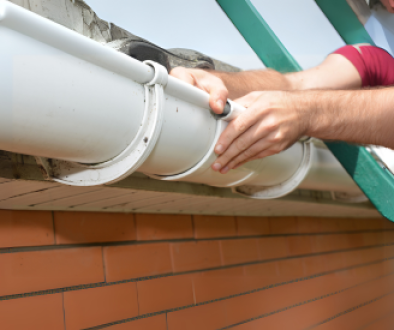
- Gutter failures
- Structural strain
What to Do Immediately After Roof Damage
Taking prompt action after you suspect roof damage can mean the difference between a simple fix and an extensive (and more expensive) overhaul. Here’s a quick plan:
- Ensure Safety First: If there are fallen power lines or large branches on the roof, keep your distance. Contact emergency services or the relevant utility company if live wires pose an immediate threat.
- Move Valuables and Address Interior Leaks: If water is dripping inside, place containers under leaks to protect flooring. Move important items or electronic devices out of harm’s way.
- Document the Damage: Take photographs or short videos of the affected areas—both inside and outside. This record can be helpful if you need to file an insurance claim.
- Avoid Unnecessary Risks: Climbing onto the roof without the correct safety gear is risky. Roofs can be slick after rainfall, and structural issues may worsen if you step on a weak spot. Leave the detailed inspection to professionals.
- Call a Trusted Roofing Repair Service: Storm damage doesn’t always show obvious signs, so it’s best to have a professional check the roof thoroughly. A timely assessment can stop further deterioration and protect your insurance claim. Call the roofing professionals from DXR Roofing.
Inspecting Your Roof Safely
While waiting for help to arrive, you can do a limited inspection from the ground or through an upstairs window, but be careful not to endanger yourself. Look for:
- Missing or Broken Tiles: Gaps in the pattern or tiles on the ground may indicate extensive issues.
- Debris: Fallen branches or large pieces of foreign material stuck on the roof.
- Damaged Guttering: Bent sections, detachment, or water overflowing where it shouldn’t.
- Interior Signals: New water stains on the ceiling or walls, damp patches, or a musty smell in the loft.
If you feel uncomfortable even with a ground-level inspection, wait for professional assistance. Roofing specialists have the training and tools needed for a safe, detailed analysis.
The Role of Professional Emergency Repairs
A roof that has been compromised by a storm should be assessed as soon as possible. Each hour of delay could mean more water seeping through, weakening the structure or causing mould. This is where an emergency repair service makes a real difference:
Temporary Coverings
In some cases, a professional may apply a temporary patch, tarp, or sealant to prevent more water from entering until permanent repairs can be done. This quick fix keeps your property dry and buys time to source the right materials for a thorough repair.
Structural Checks
Emergency repair teams don’t just look at surface damage. They examine underlying layers to spot areas that might fail later. This includes checking the rafters, insulation, and interior load-bearing elements if there’s evidence of significant water seepage.
Safe Debris Removal
Clearing large branches or heavy debris from the roof is not simple. It often involves climbing gear, harnesses, and a thorough approach to remove weight without causing further harm. Professionals are experienced in handling these challenges without risking injury or making the damage worse.
How DXR Roofing Approaches Storm Damage
DXR Roofing is a family-owned business with over 15 years of experience in Pembrokeshire, Cardiff, Swansea, and surrounding areas. Through decades of changing weather patterns, they have developed a step-by-step approach to storm-related repairs that prioritises safety, quality, and customer peace of mind:
- Immediate Response
Once contacted, the team gathers details about the incident, including the storm’s intensity and specific concerns raised by the homeowner. We aim to schedule a visit as soon as possible, especially if there’s ongoing water leakage or a safety risk. - Professional Assessment
We conduct a full inspection upon arrival. This includes spotting missing tiles, damaged flashing, or compromised support beams. We also check guttering and take interior readings of moisture if necessary. - Transparent Explanation
Homeowners receive clear information on what needs fixing and why. This covers everything from the materials required to the expected repair time. DXR Roofing’s friendly, down-to-earth style makes it easier for clients to understand the situation. - Quality Workmanship
Roof repairs are completed using premium materials and tested techniques suited to South Wales conditions. From replacing slate tiles to reinforcing weakened sections, each job is done with lasting performance in mind. - Post-Repair Follow-Up
The job doesn’t end once the roof is patched. DXR Roofing checks to ensure the repair is holding up and that no fresh issues have developed. If further work is needed, we communicate the next steps quickly.
Preventive Measures for Future Storms
While it’s impossible to stop the weather, you can strengthen your roof to lower the impact of future storms.
- Regular Inspections
Schedule a professional check at least twice a year—spring and autumn are good benchmarks. This catches small issues early, preventing them from turning into major cracks or missing tiles during a downpour. - Gutter Maintenance
Keep gutters clear of leaves, moss, and other debris, especially in autumn. This step allows water to flow freely and minimises the risk of overflow during a storm. - Trim Overhanging Branches
Trees that are too close to the roof can drop branches or leaves. Trimming them back reduces the likelihood of branches falling directly onto the roof during high winds. - Upgrade Materials
When a replacement or major repair is needed, consider modern, durable materials that stand up better to rain and wind. Discuss these options with DXR Roofing to find the best fit for your property. - Check Flashing and Seals
Flashing around chimneys, vents, and skylights should be secure. Regular checks ensure these vulnerable spots remain watertight.
Protect Your Home from South Wales Storms
Storms can create havoc, especially on rooftops that face constant exposure to the elements. In South Wales, the combination of high winds, heavy rain, and salty air puts roofs under added stress. Once the weather calms down, it’s crucial to act fast if you suspect any damage. Start by ensuring safety, moving valuables away from leaks, and documenting everything for potential insurance claims. Then get in touch with a local, trusted company like DXR Roofing.
From missing tiles to significant structural problems, DXR Roofing works to restore your home’s safety and comfort, so you can focus on the next day’s plans instead of worrying about the aftermath of a storm.
By investing in regular maintenance, staying alert to warning signs, and taking swift action when damage appears, you can keep your South Wales home better protected. Storms may be inevitable, but with a strong roof and reliable emergency support, you’ll have peace of mind knowing you’ve done everything possible to shield your property from harm.
Contact us if you to discuss our roofing services and prevent uncalled incidents brought about by a damaged and neglected roof.
Image source: Alicia from Pixabay