Skip to content
Essential Roof Maintenance Tips for South Wales Homeowners
Keeping a roof in top condition is vital for any property, and this is especially true in regions such as Pembrokeshire, Cardiff, Swansea, and other parts of South Wales. The climate here involves plenty of rain, strong winds, and salty coastal air, which can place added strain on roofs.
By investing in routine maintenance, you can protect your home from water damage, structural issues, and unexpected repair costs.
This blog offers practical advice on how to look after your roof, with insights from DXR Roofing—a trusted, family-owned business with over 15 years of experience serving South Wales.
The Impact of South Wales Weather on Roofs
South Wales is known for its wet conditions, gusty winds, and, in coastal areas, exposure to salty air. Over time, these factors can weaken roofing materials if they are not inspected and protected properly.
Rainwater can seep into small gaps, causing leaks that may remain hidden for weeks or months. Strong winds can lift or loosen roof tiles, exposing the underlayer. Sea air can increase corrosion on metal fittings, especially in coastal towns.
These weather elements can be harsh on any roof, but steps can be taken to reduce damage and prolong a roof’s lifespan.
1. Frequent Rainfall and Moisture
Constant dampness is a challenge in South Wales. Moisture, combined with organic debris such as leaves, can encourage moss and algae growth. Moss might look harmless, but it can store water and weaken the surface underneath. Over time, trapped water can cause small cracks or lead to more serious issues if the roof’s structural layers are compromised. Regularly removing moss and debris is one of the first lines of defence against weather-based damage.
2. Strong Winds and Storms
Winds along the coast and in exposed areas can be fierce, especially during stormy seasons. Loose tiles or tiles may be dislodged, leaving parts of the roof underfelt open to rain. A single missing tile can result in significant water intrusion, leading to soaked insulation, damaged timbers, and potential interior leaks. Spot checks after storms are wise, even if the weather damage seems minor.
3. Salty Coastal Air
Properties close to the sea are subject to a higher rate of corrosion due to salt in the air. Metal elements such as flashing, nails, or gutter brackets may rust more quickly if not made of suitable materials or maintained regularly. Although coastal living has many advantages, it requires diligent roof care to limit the effect of salt-induced corrosion.
Why Regular Roof Inspections Matter
Regular inspections form the backbone of proper roof care. By looking over your roof a couple of times a year—ideally in spring and autumn—you can uncover hidden issues. It’s easier and cheaper to fix a small defect early on than to address extensive leaks or structural damage later.
Early Detection of Leaks
One of the main aims of an inspection is spotting leaks before they become serious. Water stains on your loft rafters, damp patches on interior ceilings, or visible water dripping during heavy rainfall are clear red flags. However, not all leaks are easy to locate without a closer look. A qualified roofing professional can trace moisture to its origin and recommend a suitable fix.
Checking for Cracked Tiles or Loose tiles
Tiles can crack from frost, physical impact, or natural wear. When tiles or tiles are damaged, they leave the underlayment exposed to moisture. By identifying broken pieces promptly, you avoid bigger complications such as decaying roof timbers or mould in insulation. Loose tiles, which may flap slightly in the wind, should also be addressed swiftly to avoid them detaching entirely.
Inspecting Flashing and Fittings
Flashing is the metal strip around chimneys, vents, and edges, designed to keep water out of vulnerable gaps. South Wales weather can compromise flashing by lifting it or causing rust. This part of the roof is easy to overlook, yet a small break can be a serious leak risk. During an inspection, check that the flashing is secure and not corroded. Bolts or nails holding it in place must be free of rust to prevent water infiltration.
How to Keep Gutters Clear in Rainy Welsh Conditions
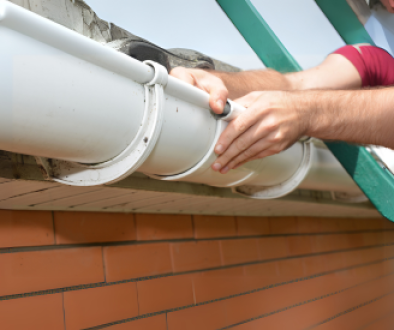
Gutters are the unsung heroes of roof maintenance. They direct water away from your property, reducing the chance of damp patches or foundation damage. In a region with frequent rainfall, gutters handle large volumes of water every year. If they are blocked with leaves, moss, or debris, water can back up under the roof edge or overflow down walls.
Schedule Seasonal Cleaning
In places like Pembrokeshire or Swansea, where autumn can bring plenty of falling leaves, gutters should be checked and cleaned at least twice a year. Removing leaves, twigs, and other debris ensures water flows freely. This upkeep also prevents pests such as birds or insects from nesting in neglected gutters.
While some homeowners can manage this task themselves, a professional can guarantee a safer and more thorough clean, especially for properties with multiple storeys.
Spot Damage and Wear
Broken or sagging sections of guttering can lead to drips or pooling water along the roofline. Metal brackets might also corrode over time. Identifying these issues early reduces the likelihood of major leaks.
A short inspection of gutter connections, downpipes, and the ground below (looking for signs of water runoff) can signal if something is amiss.
Downpipe Clearing
Downpipes carry water from gutters to the drain. If a downpipe is blocked, water may back up and overflow the gutter, even if the gutter itself is clean. Using a hose to flush out downpipes is a straightforward way to confirm they’re clear.
Professional services often have flexible rods or camera systems to remove deeper clogs and assess any internal damage.
Step-by-Step Maintenance Schedule
Below is a straightforward schedule to keep a roof in good shape:
- Spring Check:
- Remove any debris that has collected over winter.
- Inspect the roof for loose or cracked tiles.
- Clear gutters of dead leaves or moss.
- Arrange professional help if you spot damage.
- Summer Repairs:
- Take advantage of drier weather to fix or replace damaged sections.
- Treat or replace items that show signs of rust or rot.
- Check that roof vents and chimneys are clear.
- Autumn Cleanup:
- Clear fallen leaves from gutters and roof valleys.
- Prune tree branches that might scrape the roof or drop large quantities of leaves.
- Inspect attic spaces for damp or mould.
- Winter Watch:
- Monitor the loft during heavy storms or snowfall.
- Keep an eye on indoor ceilings for any water stains.
- If you suspect damage, call a professional before the problem worsens.
Following a consistent plan offers long-term benefits, including fewer emergency repairs and a roof that stands up better to the elements.
The Benefits of Proactive Roof Maintenance
- Extended roof lifespan
- Lower repair costs
- Safer home environment
- Improved property value
- Energy efficiency
Protect Your South Wales Home with Regular Roof Care
Roof care in South Wales demands close attention to the region’s challenging weather conditions. Rain, wind, and coastal air can place extra stress on homes in Pembrokeshire, Cardiff, Swansea, and nearby areas. However, consistent inspections, timely repairs, and thorough gutter cleaning make a huge difference.
By following a regular maintenance schedule and working with local specialists like DXR Roofing, you can protect your investment, keep costs in check, and enjoy a safer, more comfortable living space.
Whether you’re dealing with a minor leak or want a full inspection, expert help is only a phone call away. Don’t wait for water stains to appear on your ceiling or loose tiles to fall in the next storm—take action today to keep your roof resilient and strong for years to come.