Skip to content
Is It Time to Repair or Replace Your Roof? Expert Advice from DXR Roofing
A roof isn’t just another component of a home—it plays a pivotal role in shielding your family and possessions from the elements. Over time, however, even the sturdiest roofing systems start to show signs of wear and tear. From the occasional missing tile to repeated leaks, each concern brings you closer to the decision point: Should you carry out repairs, or is it wiser to opt for a complete roof replacement?
This blog explores the telltale signals that your roof might be beyond repair, common scenarios where minor fixes are enough, and how a free estimate from DXR Roofing can help you plan for the best solution.
The Importance of a Well-Maintained Roof
South Wales experiences damp weather, high winds, and occasional storms that can speed up roof deterioration. These conditions make regular roof upkeep essential, whether you live in Pembrokeshire, Cardiff, Swansea, or nearby areas.
A functioning roof offers the first line of defence against mould, rot, and structural damage. Small warning signs shouldn’t be taken lightly—water can travel through even the tiniest gaps, potentially causing deep-seated problems before you even spot a leak indoors.
Financial and Structural Considerations
Failing to address roof issues quickly can lead to more expensive work in the future. A tiny crack or missing tile can become a serious leak if not fixed, and extensive water damage can affect the timber frames, insulation, and interior plasterwork.
While minor repairs can be cost-effective in the short run, a roof nearing the end of its lifespan may need more frequent fixes, adding up to an expense that rivals or exceeds the cost of a new roof.
Evaluating both structural needs and the overall budget is key to making a sound decision.
Red Flags Pointing to a Roof Replacement
Some situations push a roof beyond simple fixes, indicating that a total roof replacement may be more economical and reliable in the long term. Below are some major clues that your roof might be ready for a complete overhaul.
1. Advanced Age
Different roofing materials have unique lifespans. For instance, tarmac tiles often last 20–25 years, while slate or clay tiles can endure for 50 years or more if well cared for. If your roof has reached the upper range of its expected lifespan, it’s wise to consider a full replacement. Even if it appears fine at a glance, older roofs are more susceptible to sudden failures in extreme weather, and these can lead to pricey emergency repairs.
2. Repeated or Widespread Leaks
A single leak might be manageable, but recurring leaks across multiple spots are a warning sign. The underlayment—the hidden layer beneath your visible roof covering—could be severely compromised. Once water penetrates this level, moisture can build up in insulation and rafters, causing rot or mould. Repeated leaks often mean patch jobs have reached their limit, and further attempts at repairs may not address the deeper cause.
3. Noticeable Sagging or Structural Damage
Sagging indicates a problem with the support system beneath the roof. When timber beams or joists weaken from prolonged water damage, they can warp or bend, leading to a noticeable dip. If you look across your roofline from a distance and see uneven surfaces, it may be time to replace the structure. This isn’t just an aesthetic issue—sagging can pose a safety hazard if left unaddressed.
4. Extensive Surface Damage
If tiles, shingles, or flashing are missing or broken across large sections of the roof, a major project might be more cost-effective than multiple small repairs. Widespread damage may suggest that your roof has reached a point of failure where patches will prove temporary. In some cases, older roofs made from lower-grade materials can fail all at once when subjected to strong winds or heavy rainfall.
5. Internal Signs of Moisture
Look out for stains on ceilings and walls, peeling paint near rooflines, or a persistent musty smell in the loft. These can indicate hidden leaks that have been ongoing for some time.
If there are multiple signs inside the home, the damage could be extensive. Rather than patching a series of leaks, a new roof might offer a more robust long-term solution.
Common Repair Scenarios That Don’t Require a Full Replacement
Not every issue signals the end of a roof’s life. In many cases, modest roofing repairs will keep your property safe and dry. Here are a few examples of situations where repair work may suffice.
- Cracked or broken tiles in isolated areas
- Minor leaks from localised damage
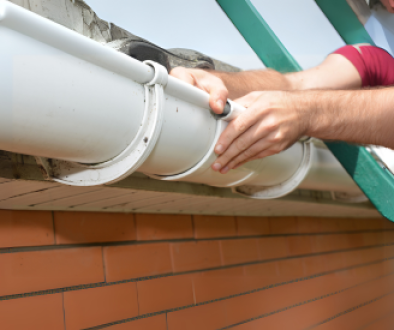
- Gutter and fascia problems
- Localised underlay issues
- Moss or algae growth
Balancing Cost and Long-Term Benefits
Any roof-related decision involves striking a balance between short-term spending and potential long-term savings. A professional assessment is the best way to gauge which path suits your home’s current condition.
When a Replacement Can Be More Cost-Effective
- Multiple Problem Areas: If you’re dealing with widespread deterioration, tackling it all at once through a replacement can be more efficient than piecemeal fixes.
- Old Roof Materials: A roof that’s near or past its expected lifespan is likely to cause frequent repair bills. Replacing it can be cheaper in the long run.
- Energy Efficiency Goals: Modern materials and improved insulation can make your home more energy-efficient, reducing utility costs over time.
When Repairs Make Sense
- Minor, Localised Damage: A small area of broken tiles or a single leak doesn’t usually justify the expense of a full replacement.
- Budget Limitations: If finances are tight, a reputable roofer can identify fixes that keep your roof safe until you’re ready for a larger project.
- Adequate Roof Age and Condition: If there are no structural problems and materials still have years of life left, targeted repairs will typically be the first choice.
The Value of a Professional Inspection
Roofing is no place for guesswork. Even if you have a keen eye, complex damage can lurk beneath tiles or in the attic’s darkest corners. A seasoned professional will:
- Check for hidden problems
- Assess structural integrity
- Recommend the best course of action
- Provide an itemised estimate
DXR Roofing’s Approach: Honest Assessments and Customer Focus
DXR Roofing stands out for its commitment to straightforward advice, whether you need a small repair or an entirely new roof. Here’s what you can expect when you reach out:
- Thorough roof checks
- Transparent communication
- Honest recommendations
- Free estimates
- High-quality workmanship
Planning for a Replacement
If you decide a replacement is necessary, it helps to know what the process involves:
- Initial Inspection and Preparations
The roofer assesses the current state of your roof and suggests suitable materials (e.g., slate, tile, asphalt shingles, metal). They also check the understructure to make sure it can handle the new covering. - Removing Old Materials
In most cases, the existing roofing must be removed down to the decking. Any rotten timbers or water-damaged supports are replaced before moving on. - Fitting Underlays and Insulation
High-grade underlays protect the deck from moisture. This stage is also an opportunity to improve insulation, which can cut energy costs. - Installing the New Covering
The chosen material is laid according to industry best practices, paying close attention to overlaps, fasteners, and potential trouble spots around chimneys or skylights. - Clean-up and Final Inspection
Once the roof is complete, the team removes any debris and checks for loose tiles, gaps in flashing, or other imperfections. You’ll have a chance to ask questions or request small adjustments if needed.
How Free Estimates Help You Plan
A free estimate from DXR Roofing offers clarity, so you can make an informed choice without feeling pressured. Some homeowners schedule multiple estimates from different providers to compare costs and recommended services. During this stage:
- Outline Your Budget: Let the roofing professional know your financial range. They may suggest alternative materials or phased work to suit your needs.
- Ask Questions: The estimate meeting is your chance to learn about potential upgrades, such as improved ventilation or gutter enhancements.
- Evaluate Long-Term Value: Consider how different options affect future costs. A pricier covering might save money later if it offers better resistance to local weather.
Making an Informed Choice for Your Roof
Whether to repair or replace your roof is a common question among homeowners facing leaks, worn tiles, or structural concerns. Often, a single cracked tile or mild leak can be resolved by a quick fix, particularly if your roof still has many years of service left. However, advanced age, repeated leaks, or clear signs of structural failure point to a complete replacement.
A qualified inspection helps you figure out the most economical and secure route. That’s where DXR Roofing excels—this family-owned business prides itself on open communication and expert solutions.
Our free estimates allow you to compare options, plan a realistic budget, and keep your roof in good shape for the Welsh climate. By tackling problems early, you can protect your home, minimise costs, and enjoy lasting peace of mind under a roof you can trust.
Contact us today if you need to talk to an expert roofer.